
Florence for the Sophisticated Traveler
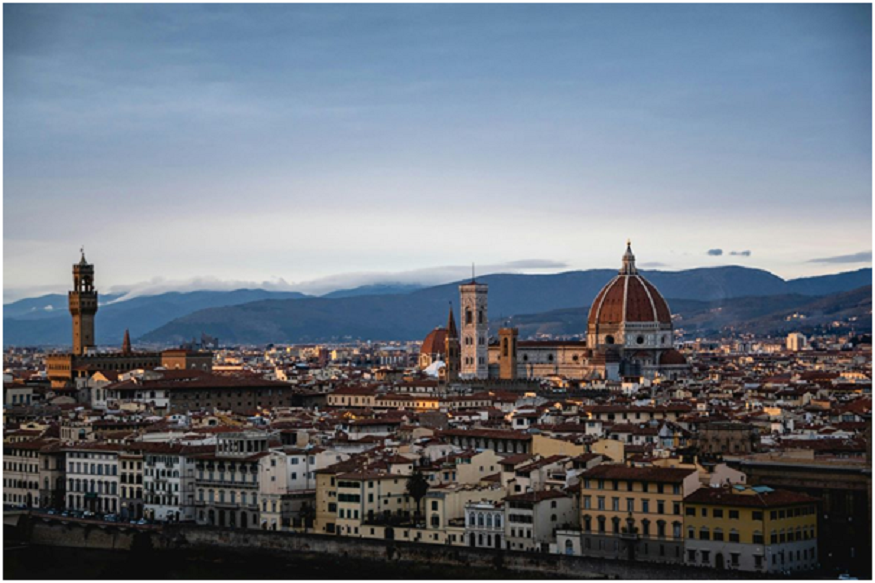
Florence is often described as a museum without walls — a city so saturated with art and history that every corner seems curated. But beyond the obvious masterpieces and crowded piazzas, there’s another Florence: quieter, deeply cultured, and attuned to those who travel not to consume beauty, but to engage with it.
For the sophisticated traveler, Florence offers a rare blend of intellectual pleasure and sensory reward — a place where Renaissance ideals still shape daily life, and where refinement lies in the details.
Art Beyond the Crowds
The Uffizi and the Accademia will always command attention, but Florence’s artistic heritage extends far beyond their walls. In Oltrarno, across the Arno River, small workshops still practise centuries-old crafts — gilding, marquetry, leatherworking — each a living continuation of the city’s artisan past.
Here you can watch restorers at work in softly lit studios, or visit contemporary galleries hidden in Renaissance courtyards. The Museo Bardini, less visited yet immensely rewarding, offers a collection that feels personal: sculptures, tapestries, and architectural fragments arranged with almost poetic restraint.
Art in Florence isn’t a checklist — it’s a conversation that continues through time.
Spaces of Calm and Light
Sophisticated travel also means knowing when to step away from the noise. Florence’s gardens and cloisters provide the kind of silence that has always been part of its identity.
The Bardini Gardens, with their sweeping view of the city and the Duomo framed by cypress trees, are among the most peaceful places to reflect. Meanwhile, the Cloister of Santa Maria Novella, with its frescoed walls and geometric calm, offers a slower rhythm — a reminder that the Renaissance was as much about order as it was about invention.
In these spaces, Florence feels intimate again — more a state of mind than a destination.
Dining with Discretion
The Florentine table reflects the city’s balance of restraint and indulgence. You’ll find grandeur in Michelin-starred restaurants housed in Renaissance villas, but also quiet brilliance in trattorias that have refined simplicity into art.
A true Florentine meal might begin with crostini di fegatini (chicken liver pâté), followed by pici pasta with black truffle or a perfectly cooked bistecca alla fiorentina. The best meals here often happen away from the main squares — in hidden courtyards where conversation matters as much as cuisine.
Wine, of course, is central. The hills of Chianti Classico lie less than an hour away, their estates offering tastings that combine landscape, tradition, and innovation in equal measure.
Staying with Style
In Florence, accommodation is an extension of the city’s aesthetic — architecture and hospitality merging into one. Many restored palazzi have become boutique hotels that preserve frescoed ceilings and Renaissance staircases while embracing contemporary design.
It’s this synthesis — heritage meeting modern comfort — that defines the sophisticated side of the city. Those seeking refinement along that route will find it in the best luxury hotels in Florence— places that, like Florence’s finest addresses, understand that luxury begins with atmosphere, not excess.
The Art of Experience
For the discerning visitor, Florence isn’t about seeing everything — it’s about seeing well. It’s about walking the Vasari Corridor at dusk, when the city glows; standing beneath Brunelleschi’s dome and feeling the geometry of light; or reading Dante on a bench by the Arno, understanding that this city gave language its shape.
Florence rewards curiosity, not hurry. It’s a place that reminds us sophistication isn’t about status — it’s about sensitivity.