A Taste of Pura Vida: Exploring Authentic Food in Costa Rica
Ask any traveler what they remember most about Costa Rica, and food usually comes up right alongside the beaches and rainforest. Costa Rican cooking doesn’t rely on complicated technique. It’s built on fresh, honest ingredients grown minutes from where they’re served: rice, beans, tropical fruit, fish caught that same morning, and coffee grown in volcanic soil.
For visitors staying at a luxury villa in Costa Rica, food often becomes part of the experience rather than something you have to plan around. Private chefs tend to use the same ingredients locals have relied on for generations, just plated a little differently.
The Staples: Gallo Pinto and Casado
No conversation about Costa Rican food gets far without mentioning gallo pinto, rice and beans sautéed with onion, pepper, and cilantro, finished with a splash of Salsa Lizano. That sauce, tangy and slightly sweet, ends up on almost everything. Gallo pinto is technically breakfast, but plenty of people eat it whenever they feel like it.
Read More:
Premium Dairy Products: A Growing Urban Demand
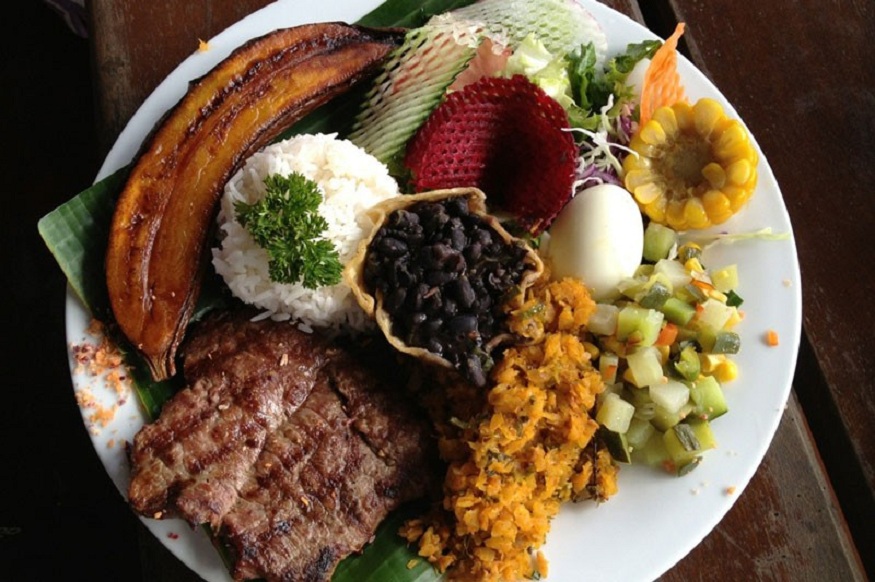
At lunch, the casado takes over. It’s built around rice, beans, salad, plantain, and a choice of protein, usually chicken, fish, or beef. The name means “married,” a nod to how the pieces come together on one plate. You’ll find it at roadside sodas (Costa Rica’s version of a diner) and, in a slightly more polished form, on the table of a private villa.
Coastal Flavors and Fresh Catch
Along the Pacific coast near Los Sueños and Herradura, seafood runs the show. Ceviche, raw fish cured in lime juice with onion, cilantro, and a bit of chili, shows up almost daily. It’s light, bright, and about as well suited to tropical heat as food gets. Whole red snapper, grilled or fried, is another coastal favorite, usually served with tartar sauce and patacones, those twice fried green plantains pressed flat and salted.
Sport fishing charters are common for guests staying nearby, and it’s not unusual for the day’s catch to show up on the dinner table that same evening. It doesn’t get much fresher than that.
Coffee, Cacao, and Tropical Fruit
Costa Rica’s volcanic highlands grow some of the most respected coffee in the world, and it’s worth drinking it here rather than waiting for whatever version gets exported. Cacao has deep roots too. Indigenous communities in the Caribbean lowlands were cultivating it long before chocolate ever reached Europe, and small producers still make drinking chocolate the old way, unsweetened and spiced.
Read More:
Tips to choose luxurious restaurants in Dubai
Then there’s the fruit. Mango, papaya, pineapple, and starfruit picked ripe instead of shipped green, plus less familiar options like guanabana and cas that rarely travel outside Central America.
Dining Well While You Travel
For travelers who’d rather not navigate menus in a second language, a private villa with its own chef offers a nice middle ground: local ingredients, traditional dishes, prepared to your taste and dietary needs, without ever leaving your retreat. It’s a practical way to eat well on a trip that’s supposed to be about relaxing, not managing reservations.
Whether you’re grabbing a casado from a roadside soda or having ceviche served poolside, food in Costa Rica rewards travelers who stay a little curious. It’s simple cooking done with care, much like the country itself.